When considering how to choose materials for CNC machined parts, various factors come into play. The right material ensures durability, functionality, and cost-effectiveness. Understanding the unique properties of different materials can greatly influence the outcome. It is critical to match the material’s characteristics with the specific requirements of your project.
Metal, plastic, and composite materials each have their advantages and disadvantages. Metals, like aluminum and steel, offer strength but can be heavier and more expensive. Plastics, on the other hand, are lightweight and corrosion-resistant but may lack mechanical strength. Composites can provide the best of both worlds, yet their complexity might require deeper knowledge.
Choosing the right material is not just about the project's specifications. There are also considerations of environmental impact and long-term maintenance. Moreover, mistakes in material selection can lead to functional failures or increased costs. Therefore, conducting thorough research and seeking expert advice is essential. This process of choosing the right materials for CNC machined parts, while challenging, is crucial for the success of any engineering project.
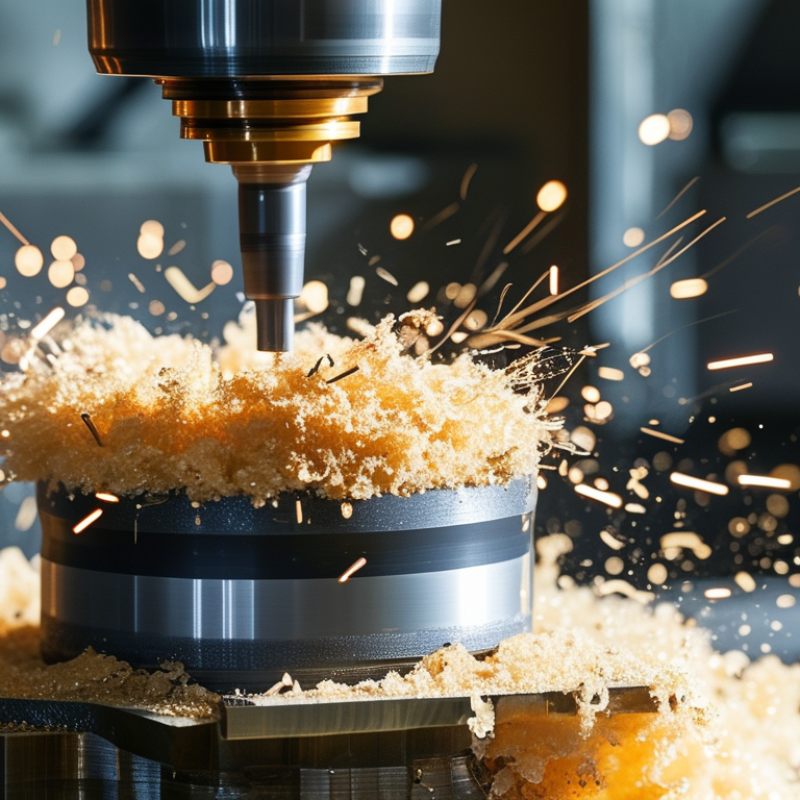
Choosing the right materials for CNC machined parts is crucial. Each material has unique properties that can impact performance. Understanding these properties helps in making informed decisions. For instance, metals like aluminum offer excellent machinability and strength. They are lightweight and corrosion-resistant, making them popular in various industries.
Plastics, on the other hand, can offer versatility. They are often easier to machine and can be cost-effective for certain applications. However, some plastics may warp under heat or stress. Evaluating the intended application and environmental factors will guide material selection. It's essential to consider factors like temperature resistance, mechanical strength, and weight.
Sometimes, the best choice isn't the most obvious one. A composite material may outperform both metal and plastic in specific conditions. Testing materials in real-world scenarios can reveal unexpected behaviors. This approach ensures a deeper understanding of how different materials respond under various conditions, allowing for better design choices in CNC machining.
Choosing the right materials for CNC machined parts is crucial. Each material has its unique characteristics and benefits. Let’s explore three commonly used materials: aluminum, steel, and plastics.
Aluminum is lightweight and corrosion-resistant. It’s often chosen for projects requiring a good strength-to-weight ratio. However, its softness can pose challenges in high-stress applications. Machining aluminum can produce fine details easily, but care must be taken to prevent surface scratches.
Steel offers strength and durability. It performs well in demanding environments. When machined, it provides a smooth finish. Yet, steel is heavier and can be more difficult to machine compared to aluminum. The right cutting tools are essential to avoid wear on equipment.
Plastics are versatile and lightweight. They resist chemicals and are generally easier to machine. However, they may not withstand high temperatures or heavy loads as well as metals do. Choosing plastic often requires considering its thermal and mechanical properties to ensure it meets the project’s needs. Each material has its pros and cons, making careful comparison essential.
When selecting materials for CNC machined parts, understanding mechanical properties is crucial. Strength is a fundamental property; it determines how much force a material can withstand without failing. Toughness reveals a material's ability to absorb energy during deformation. It is essential for parts exposed to impact or stress. Hardness measures resistance to surface deformation. Each property plays a role in ensuring the component performs well under operational demands.
Tips: Always consider the application of the part. Will it face extreme temperatures or chemicals? The intended use heavily influences the choice of materials. Testing is key. Conduct experiments to evaluate how different materials perform under similar conditions. Sometimes, you may discover that unexpected materials can fulfill the requirements.
When assessing options, also think about the trade-offs. A stronger material may be more expensive or difficult to machine. Balance these factors against your budget and production timeline. Reflect on previous projects; did you face challenges with material choice? Learn from those experiences to make informed decisions moving forward.
Cost considerations and material availability are critical when selecting materials for CNC machining. Each material comes with its own cost implications. For instance, metals like aluminum and brass are generally affordable, while titanium and some polymers can be much pricier. Balancing quality and cost is essential. A cheaper material might compromise strength, affecting the part’s durability in practical use.
Material availability influences lead times and project timelines. Some alloys may be in stock, while specialty materials could require longer procurement periods. Delays can occur if suppliers face inventory shortages. Manufacturers should communicate openly about material options. Understanding the lead time for each material is crucial. It helps in project planning and manufacturing schedules. Reflecting on past projects where material choice led to delays can be enlightening. These lessons help avoid similar issues in future machining endeavors.
| Material | Cost per kg ($) | Availability | Common Applications |
|---|---|---|---|
| Aluminum 6061 | $3.00 | High | Aerospace, Automotive |
| Stainless Steel 304 | $4.50 | Medium | Food Industry, Medical Devices |
| Acrylic | $2.00 | High | Displays, Signage |
| Polycarbonate | $2.50 | Medium | Optical Parts, Safety Equipment |
| Titanium | $20.00 | Low | Aerospace, Medical Implants |
Selecting materials for CNC machined parts requires attention to environmental factors. Different applications demand specific material properties. For instance, aerospace components often need lightweight yet durable materials. According to the Aerospace Industries Association, more than 75% of components use aluminum alloys for their strength and corrosion resistance.
In harsh environments, choosing the right material becomes even more crucial. For instance, parts exposed to high temperatures may require specialty alloys. A report from the Materials Research Society indicates that titanium can endure temperatures beyond 400 degrees Celsius, making it ideal for spacecraft. On the other hand, using plastics like PEEK (polyether ether ketone) can benefit applications in chemical industries due to their resistance to harsh chemicals.
Reflecting on these choices is essential. Using a less appropriate material not only affects performance but can lead to greater costs in production and maintenance. For example, parts that fail in extreme conditions can result in significant downtime. A focus on understanding specific environmental influences can guide manufacturers in making informed material choices that optimize durability and performance.
: Consider properties like strength, machinability, weight, and resistance to heat and chemicals.
Aluminum offers excellent strength, machinability, and corrosion resistance. It's lightweight, making it suitable for many applications.
Some plastics may warp under heat or stress, affecting performance and quality.
Cheaper materials may compromise strength and durability, leading to potential issues in practical use.
Past experiences with material selection can help avoid future delays and performance issues.
Material availability affects lead times and project timelines, influencing overall manufacturing schedules.
Specific applications, like aerospace, require materials that can withstand certain conditions, such as high temperatures.
Incorrect material choices can lead to performance failures and increased production costs.
Testing reveals unexpected behaviors and helps ensure better design choices for reliability.
Failures can result in significant downtime and increased maintenance costs.
Choosing the right materials for CNC machined parts is crucial for optimizing performance and functionality in various applications. Understanding the unique properties of materials, such as strength, toughness, and hardness, is essential to ensure that the final product meets the desired specifications. This article delves into the commonly used materials, including aluminum, steel, and plastics, and compares their mechanical properties, helping manufacturers make informed decisions.
Additionally, cost considerations and material availability play a significant role in CNC machining projects. It is important to evaluate not just the mechanical properties but also the economic feasibility of using different materials. Moreover, environmental factors must be taken into account, with materials being selected based on specific applications and conditions. In summary, knowing how to choose materials for CNC machined parts involves a comprehensive understanding of these critical aspects to ensure successful production outcomes.

Robotic CNC