In today's competitive landscape, understanding how to optimize CNC machining for mass production is crucial. Efficient CNC machining can significantly enhance productivity and reduce costs. However, achieving this efficiency requires a combination of experienced workforce and advanced technology.
CNC machines are capable of high precision tasks, but they are not without flaws. Sometimes, machines may experience delays or errors, leading to costly downtime. Identifying and addressing these issues is essential. Machine maintenance, programming accuracy, and material selection all play vital roles in the optimization process.
Companies should focus on data analysis to inform decisions. By monitoring production metrics, manufacturers can find areas needing improvement. A keen eye on workflow can reveal bottlenecks. With ongoing evaluation, businesses can adapt and thrive in mass production environments.
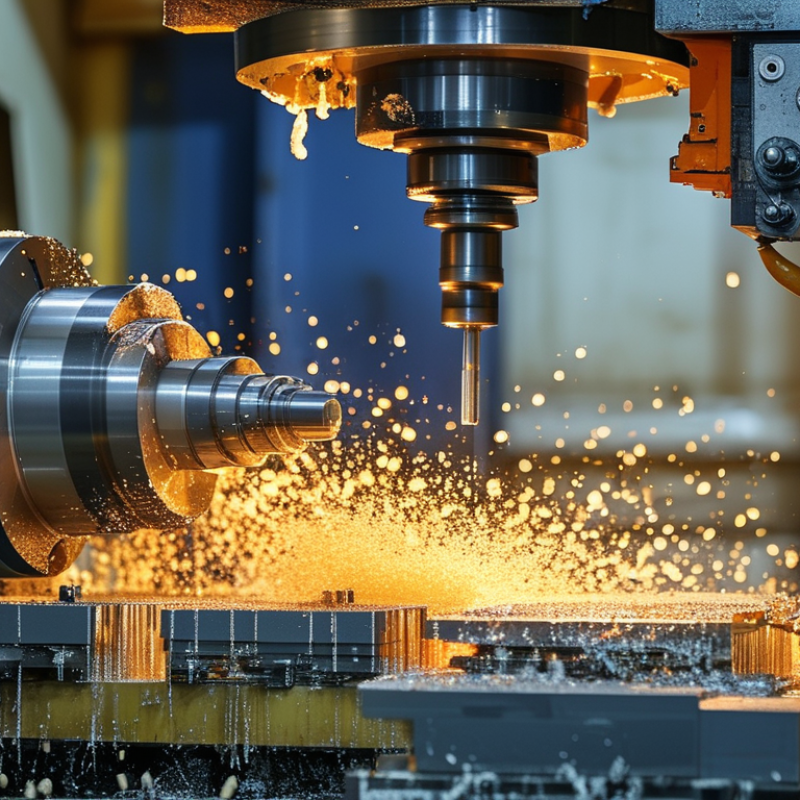
CNC machining plays a pivotal role in mass production. It automates precise cutting, drilling, and milling processes. This innovation has drastically transformed manufacturing efficiency. According to industry reports, CNC machining can improve production speeds by up to 50%. This accuracy ensures minimal waste and maximizes output.
However, optimizing CNC processes requires insights into machine capabilities. For example, implementing advanced software for toolpath generation can optimize cycle times. Yet, not all manufacturers utilize these tools effectively. A survey indicated that 40% of businesses lacked the necessary training for their workforce. This gap can hinder efficiency and increase production costs.
In addition to software, regular machine maintenance is critical. According to a recent study, 30% of downtime in CNC machining results from unaddressed maintenance issues. Ignoring these factors can lead to costly delays and unplanned repairs. For companies aiming for mass production efficiency, addressing these challenges is essential. Making small improvements can yield significant results over time.
CNC machining efficiency is influenced by various factors. Understanding these can enhance mass production. Key areas include tool selection, machine maintenance, and programming practices.
Tool selection plays a crucial role. Using the right tools can reduce cycle times significantly. For instance, research indicates that high-performance cutting tools can improve productivity by 30%. However, not all tools perform equally. Regular assessments may reveal tools that need replacing or upgrading.
Machine maintenance cannot be overlooked. Studies show that well-maintained machines can operate 20% faster. Operators should monitor wear and tear on key components. Neglect can lead to unexpected downtimes.
**Tips:** Regularly calibrate machines for optimal performance. Schedule routine maintenance.
Moreover, programming techniques directly affect efficiency. Optimized CNC programs increase accuracy and minimize waste. Yet, complexity may introduce errors. Keeping programs simple yet effective is vital. Continuous training for programmers can help avoid common mistakes.
**Tips:** Invest time in programming skills training. Encourage sharing best practices among team members.
CNC machining plays a crucial role in modern manufacturing. Advanced technologies are essential for enhancing productivity and efficiency. Utilizing smart automation can lead to a 30% increase in production rates. Moreover, machine learning algorithms can predict maintenance needs, reducing downtime by approximately 25%.
Integrating IoT devices into CNC machines enables real-time data collection. This data can optimize machining processes. Reports indicate that companies implementing IoT in their operations can achieve a 15% reduction in operational costs. Feedback loops can help engineers adjust parameters quickly, improving overall performance.
However, not all firms are leveraging these technologies. Adopting new systems can be costly and complex. Many organizations struggle to integrate advanced technologies effectively. There is room for improvement in training personnel to operate automated systems. This gap can lead to underutilization of available technology. Without continuous learning, the benefits of these advancements may not fully materialize.
Streamlining workflow in CNC operations is vital for maximizing production efficiency. One key approach is to analyze the entire machining process. Identify bottlenecks that slow down operations. For instance, waiting for tools to change can waste valuable time. Effective tool management systems can minimize these delays. Regularly scheduled maintenance can also help maintain high productivity levels.
Reducing setup times is equally crucial. This can be achieved through standardized procedures. Creating detailed setup instructions guides operators efficiently. Visual aids can assist in quick and accurate setup transitions. Additionally, using modular fixturing allows for quicker changeovers between jobs. It reduces the need for complex adjustments.
Despite these strategies, challenges remain. Operators may resist standardized processes. Training sessions can help bridge this gap. Not every setup will be quick initially, but refining these processes repeatedly improves overall efficiency. Continuous assessment and adjustments are necessary. Without reflection, it’s easy to overlook potential improvements.
Monitoring and maintaining CNC equipment are crucial for achieving optimal output. Regular inspections can prevent minor issues from escalating. A simple visual check can reveal wear and tear. Dust accumulation can impair machine performance. Ensure you clean the machines regularly, focusing on filters and fans. Scheduled maintenance should not be overlooked. Follow the manual for detailed procedures.
Using sensors and monitoring software can enhance performance. Track machine statistics like temperature and run time. Anomalies in these metrics often indicate underlying problems. Real-time data can help in making quick adjustments. Regular updates and calibrations are key. Operators should also be trained to recognize early signs of wear.
A proactive approach often yields benefits. However, there is always room for improvement. An over-reliance on automation might lead to missed manual checks. Encourage feedback from operators. They can provide insights that data cannot capture. Continuous learning and adaptation in maintenance practices are essential for sustained efficiency.
| CNC Machine Type | Max Precision (μm) | Operating Speed (RPM) | Maintenance Frequency (Days) | Output per Hour (Units) | Downtime (Hours/Month) |
|---|---|---|---|---|---|
| Vertical CNC Mill | 5 | 2000 | 30 | 50 | 4 |
| Horizontal CNC Lathe | 3 | 1800 | 25 | 45 | 3 |
| CNC Router | 10 | 3000 | 20 | 60 | 2 |
| CNC Plasma Cutter | 7 | 1500 | 15 | 40 | 5 |
| CNC Wire EDM | 2 | 1200 | 40 | 30 | 6 |
: CNC machining is vital for modern manufacturing, enhancing productivity and efficiency.
Smart automation can increase production rates by approximately 30%.
They can predict maintenance needs, reducing downtime by about 25%.
IoT devices enable real-time data collection, leading to improved machining processes and a 15% cost reduction.
The integration process can be costly and complex, making it challenging for many organizations.
Regular inspections and maintenance are crucial for optimal performance and preventing issues.
Sensors track metrics like temperature, helping identify problems early through data monitoring.
Clean the machines regularly, especially filters and fans, and follow the manual for maintenance procedures.
Operators can provide valuable insights that data may not capture, enhancing maintenance practices.
Continuous learning and personnel training are key to fully realizing the benefits of advanced technologies.
To effectively address how to optimize CNC machining for mass production, it is essential to first understand the integral role CNC machining plays in manufacturing processes. Key factors such as material properties, machine capabilities, and tooling choices significantly influence machining efficiency. By identifying these factors, manufacturers can implement advanced technologies, such as automation and real-time data analytics, to enhance CNC performance.
Furthermore, streamlining workflows and reducing setup times are critical strategies for maximizing productivity in CNC operations. This can be achieved through standardizing processes and employing efficient scheduling techniques. Lastly, regular monitoring and maintenance of CNC equipment ensure optimal output, preventing downtime and extending the machinery's lifespan. By focusing on these areas, manufacturers can significantly improve their mass production efficiency while mastering how to optimize CNC machining for mass production.

Robotic CNC