Discover our industrial grade CNC machining catalog. Tailored OEM/ODM custom services for complex components and automation machinery.
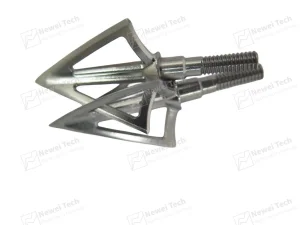
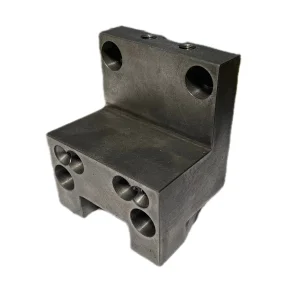
The global custom machining landscape is transitioning from traditional subtractive manufacturing into an intelligent, high-speed, and ultra-precise ecosystem. Modern product lifecycles require flexible, adaptable production pathways. OEM and ODM custom machining solutions are no longer just about taking material away from a block of metal; they represent an advanced engineering discipline that merges materials science, software algorithms, and multi-axis mechanical synchronization.
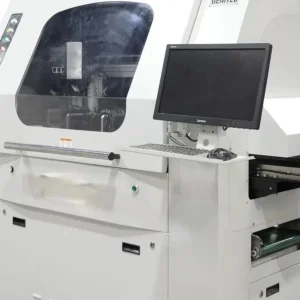
Key drivers behind this revolution include the integration of 5-axis simultaneous CNC systems, AI-optimized toolpath rendering, and high-speed CNC PCB depaneling systems. Advanced equipment such as the V-Cut-Routing Dual-Process Depaneling Machine has revolutionized how complex electronics components are separated, mitigating mechanical stress and maximizing yield rates. Modern manufacturers are deploying smart feedback loops where coordinate measuring machines (CMM) communicate directly with lathe systems to execute tool wear compensation in real-time, holding tolerances thinner than a human hair.
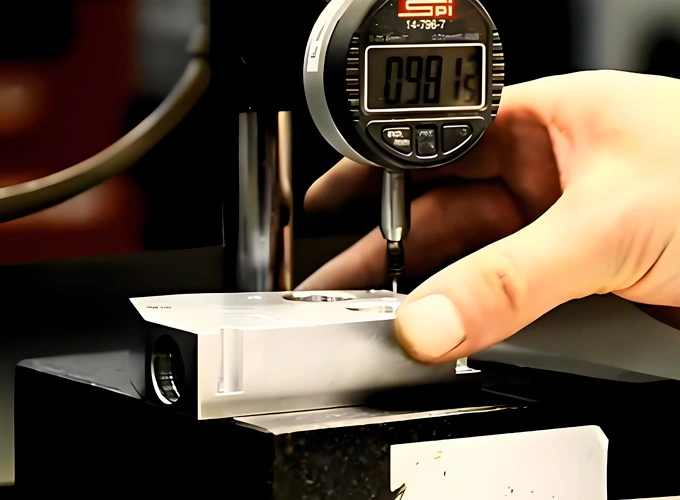
How procurement departments mitigate risks and ensure component compliance in 2025.
Geopolitical challenges and shipping fluctuations demand flexible manufacturing setups. Dual-sourcing and localized hubs coupled with agile ODM facilities provide reliable buffers against global delays.
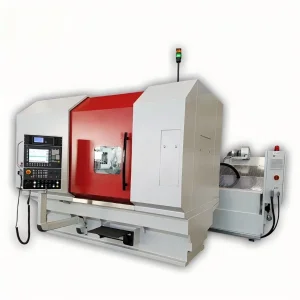
Modern applications in aerospace and robotics require sub-micron precision. Utilizing heavy-duty CNC systems like the Ggm7340 grinding system guarantees flat, parallel, and round surfaces meeting strict GD&T parameters.
Procuring entities seek machine shops experienced in handling aerospace titanium, hardened tool steel, brass, bronze, carbon fiber, and engineering polymers under one roof.
Standardization, robotic integration, and localized supply ecosystem synergies.
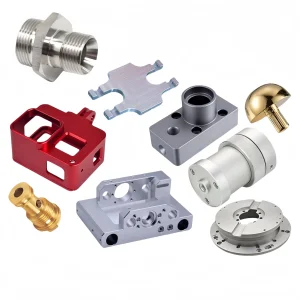
Hangzhou Robotic CNC Co., Ltd. is a professional CNC turning and milling parts manufacturer specializing in delivering high-precision machining solutions for a wide range of industrial applications. Based in Hangzhou, China, the company integrates advanced CNC technology, skilled engineering expertise, and strict quality control systems to produce reliable and consistent machined components.
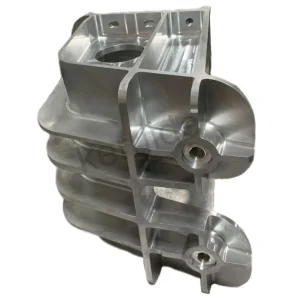
The company’s core capabilities include multi-axis CNC machining, precision turning, milling, drilling, and custom part manufacturing across various materials such as aluminum, stainless steel, carbon steel, brass, and engineering plastics. Its products are widely used in industries including automotive, robotics, electronics, machinery, aerospace, and industrial automation.
Hangzhou Robotic CNC is committed to meeting the exact specifications of its global customers by offering flexible customization, rapid prototyping, and efficient mass production services. With modern production equipment and standardized inspection processes, the company ensures tight tolerances, superior surface finishes, and stable product quality.
Driven by innovation and continuous improvement, Hangzhou Robotic CNC Co., Ltd. focuses on providing cost-effective, high-quality precision machining solutions. The company aims to build long-term partnerships with clients worldwide by delivering dependable products, responsive service, and professional technical support for diverse engineering and manufacturing needs.
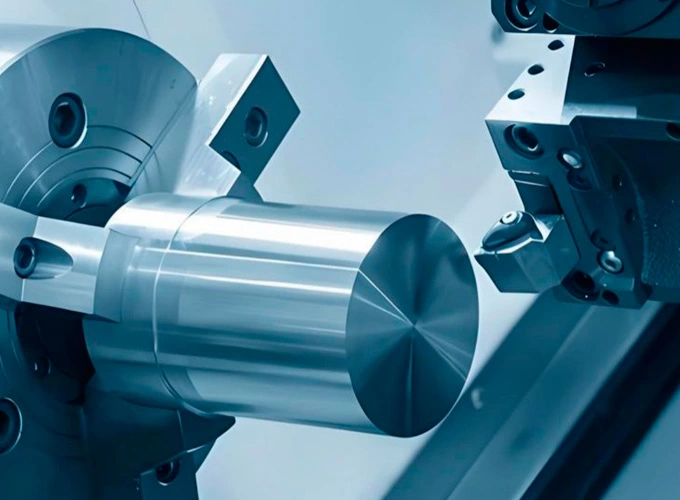
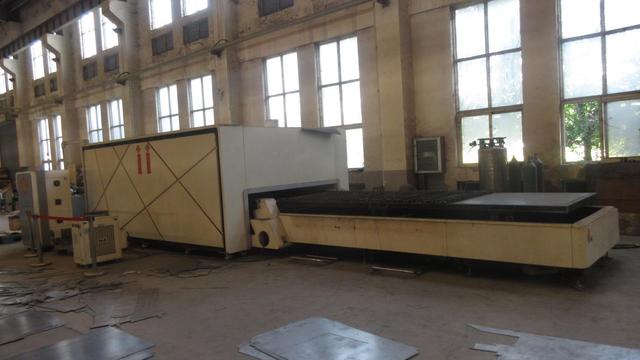
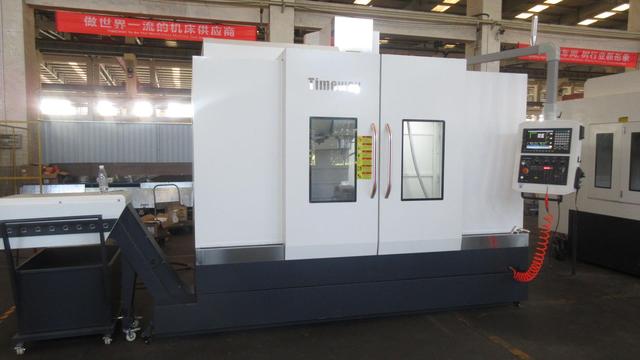
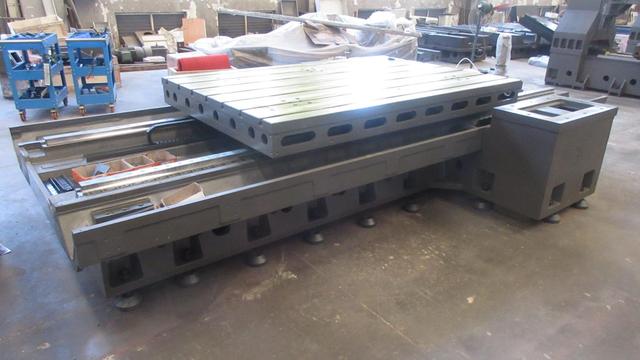
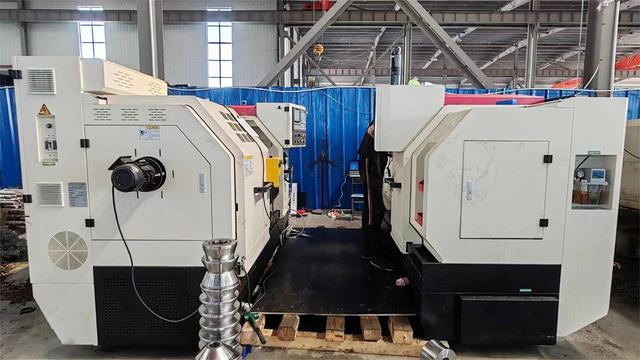
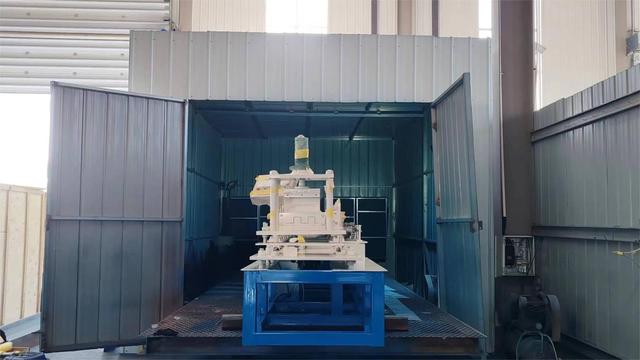
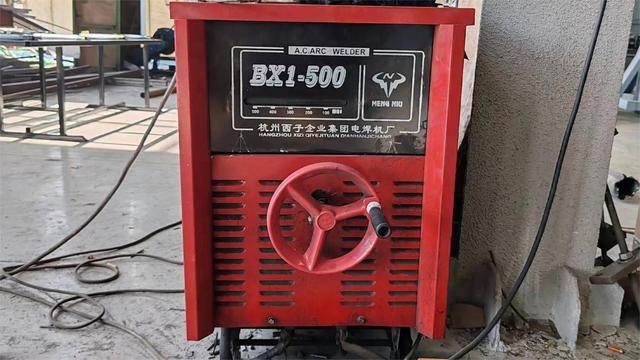
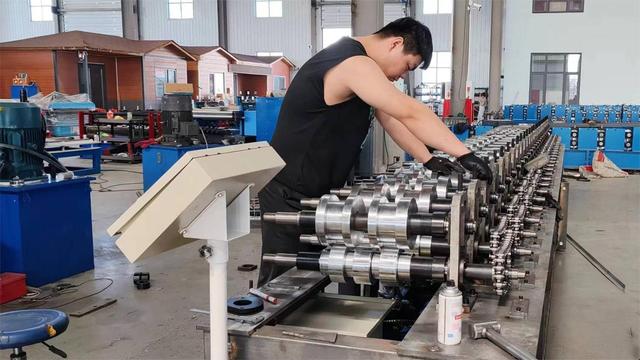
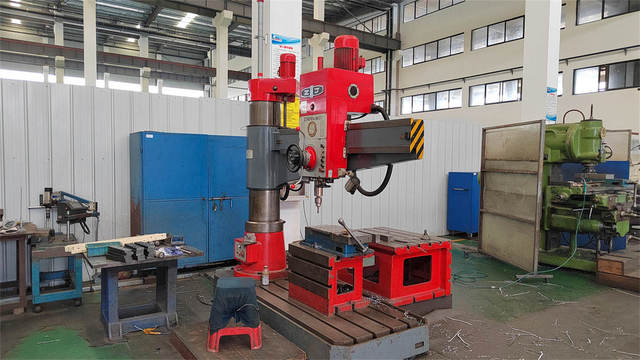
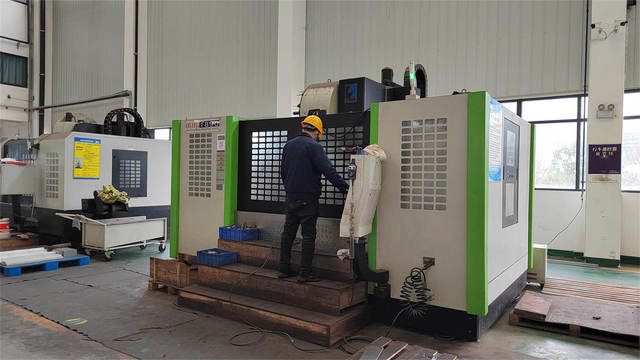
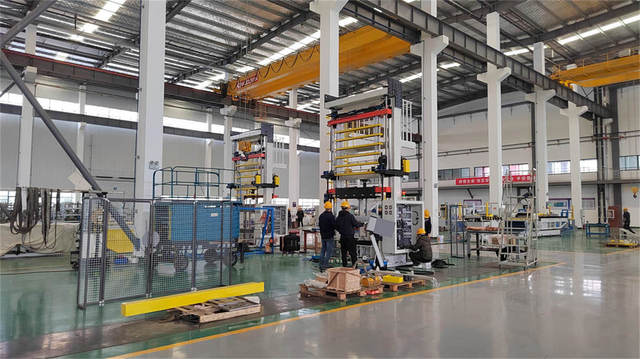
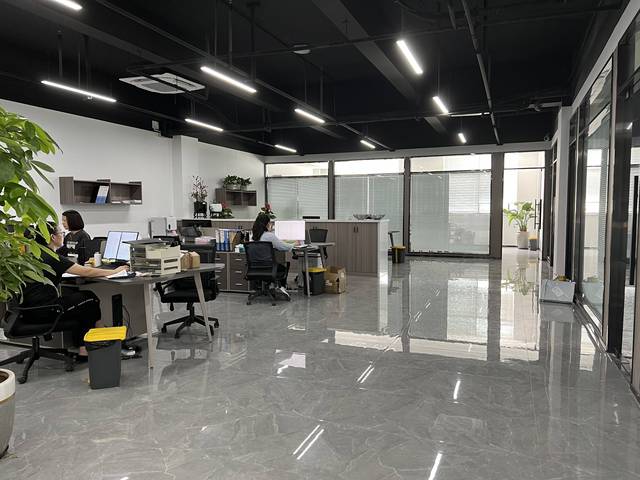
Custom machining solutions tailored to the critical requirements of specific industrial sectors.
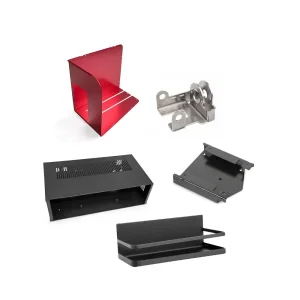
From complex micro-machined connectors to structural TV back plates and multi-axis CNC PCB depaneling systems. Material stability and tight tolerances prevent structural failures under heat or vibration.
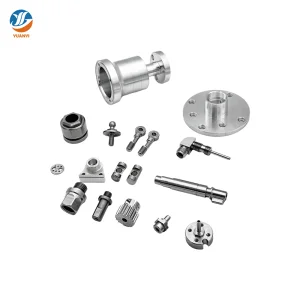
Production of high-tolerance motor shafts, micro boring tool components, custom deep drawn metal shells, and precise fasteners. Ensures efficient energy transmission and long component lifetimes.
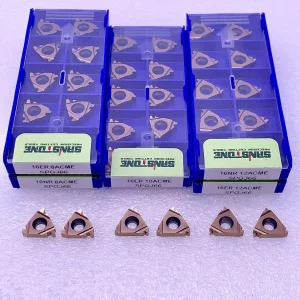
Robotic arms, joint mechanisms, custom sensor mounts, and high-precision threading assemblies. Utilizing tools like Acme Carbide inserts guarantees highly accurate motion execution.
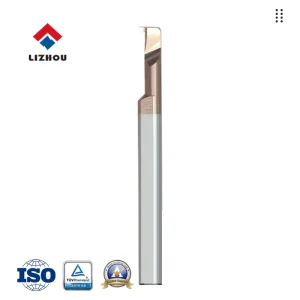
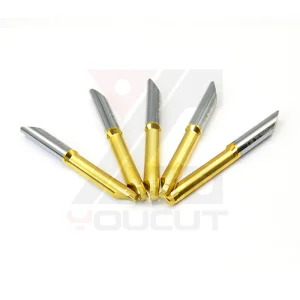
When sourcing micro small hole boring tools or profiling tool bits, pay attention to the grades of carbide inserts. Sub-micron grain carbide substrates coated with PVD (Physical Vapor Deposition) Titanium Aluminum Nitride (TiAlN) exhibit significantly longer tool life during continuous machining cycles in hardened steels. Always ask your supplier for a material test report (MTR) and coating certification.
Expert technical answers to critical sourcing, production, and quality control inquiries.
Discover more high-precision custom elements, heavy-duty saws, and specialized tooling assemblies.
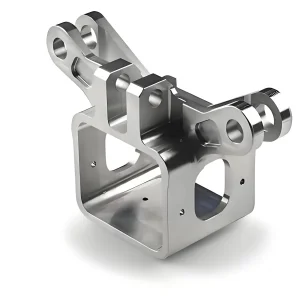
 Robotic CNC