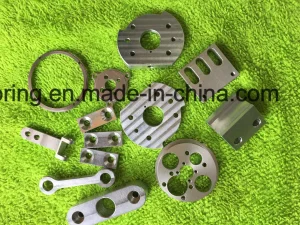
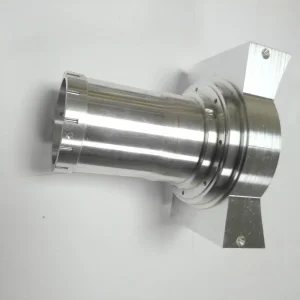
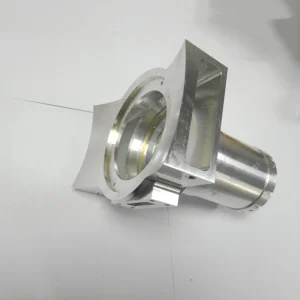
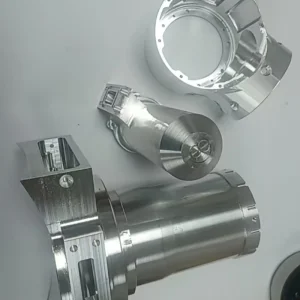
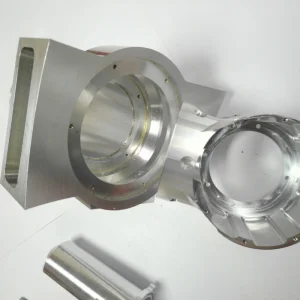
High-precision aluminum machining and engraving solutions built to match Montenegro's evolving marine, structural, and industrial automation standards.
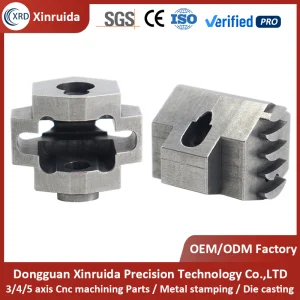
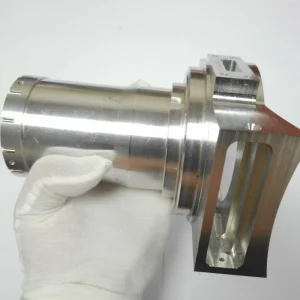
Montenegro, strategically located along the Adriatic coast, is undergoing a profound industrial transition. Historically anchored in primary metal production—centered around the Kombinat Aluminijuma Podgorica (KAP) and the Nikšić Steelworks—the nation is increasingly pivoting toward high-value manufacturing, luxury tourism infrastructure, and maritime technology. The coastal corridors of Kotor, Bar, and Tivat (home to the world-renowned Porto Montenegro) have catalyzed demand for bespoke maritime-grade components, luxury architectural hardware, and specialized signage. Concurrently, inland hubs like Podgorica and Nikšić are modernizing their electrical and light manufacturing assembly lines.
Because Montenegro relies heavily on imported precision parts, securing high-performing CNC engraving and milling services is critical. Component performance in marine conditions demands specialized alloys, such as 6061-T6 and 5083, which must be deeply engraved and subsequently anodized to prevent galvanic corrosion. By sourcing precision components directly from advanced manufacturing clusters globally, Montenegrin procurement managers bridge the gap between regional design capabilities and cost-effective tooling.
The global CNC engraving market has transitioned from basic 3-axis machinery to complex 5-axis simultaneous milling and hybrid laser-mechanical engraving. High-mix, low-volume (HMLV) production profiles are dominant, forcing manufacturers to design agile setups that minimize changeover times. While local Western European machine shops offer high geographic proximity, their overhead costs, rigid lead times, and restricted raw material pipelines make them less viable for rapid scaling.
In contrast, Chinese manufacturing ecosystems represent a massive efficiency frontier. The integration of regional supply chains allows raw material extraction, extrusion, precision multi-axis CNC machining, surface finishing (including Class-II clear and colored anodizing), and quality verification to occur within the same industrial hub. This proximity eliminates logistical bottlenecks, driving down cost-per-part metrics while sustaining tight tolerances (+/-0.005mm).
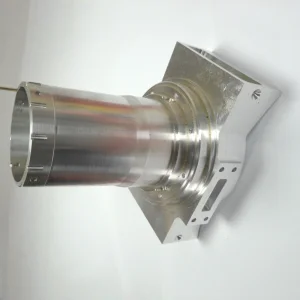
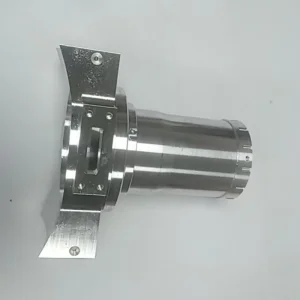
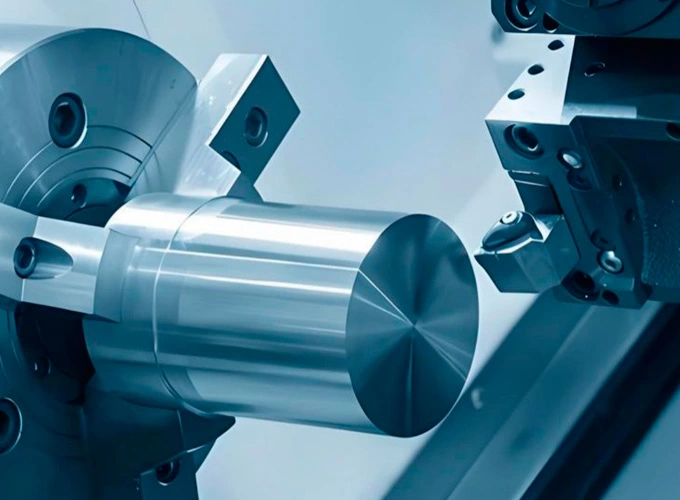
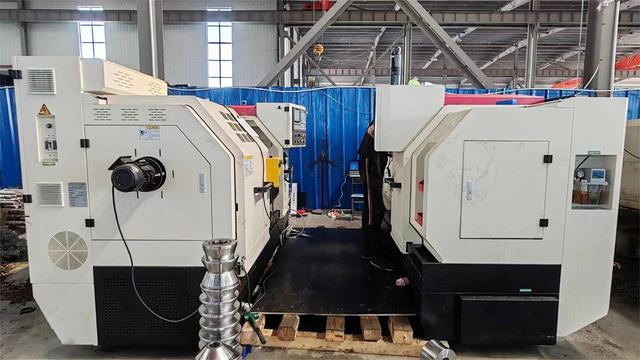
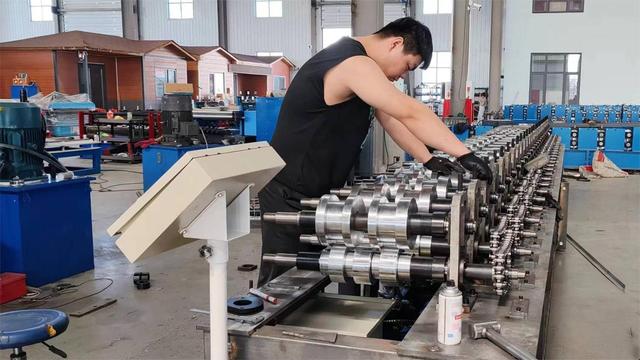
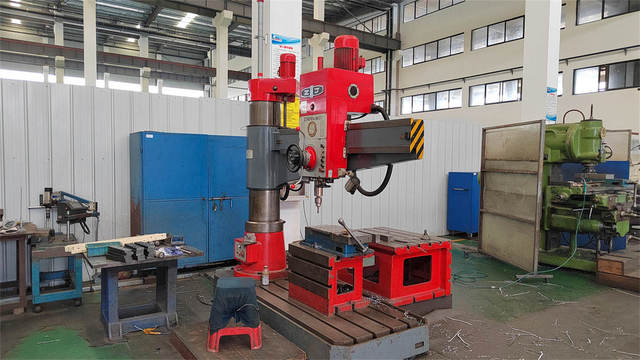
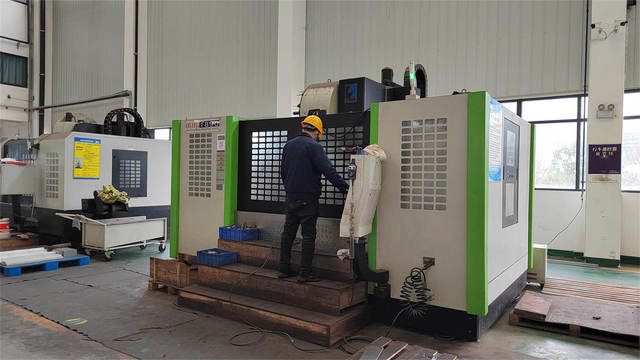
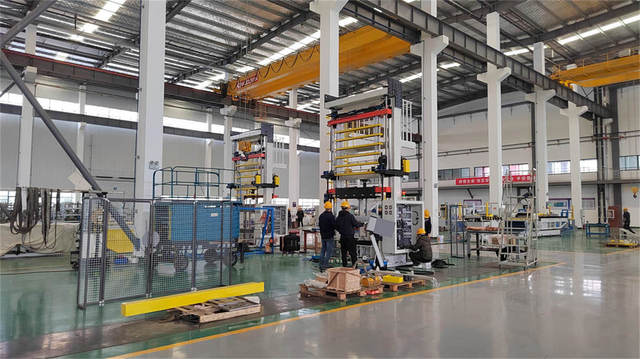
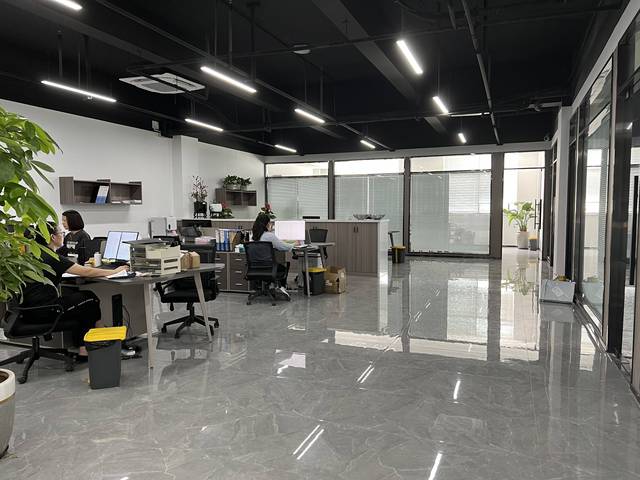
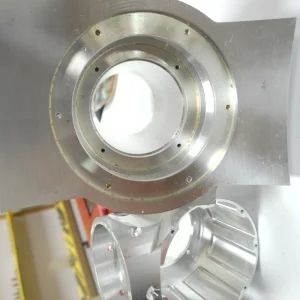
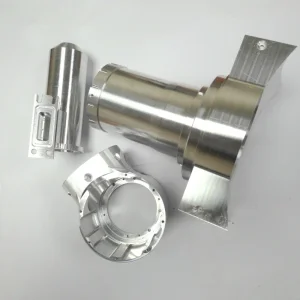
Hangzhou Robotic CNC Co., Ltd. is a professional CNC turning and milling parts manufacturer specializing in delivering high-precision machining solutions for a wide range of industrial applications. Based in Hangzhou, China, the company integrates advanced CNC technology, skilled engineering expertise, and strict quality control systems to produce reliable and consistent machined components.
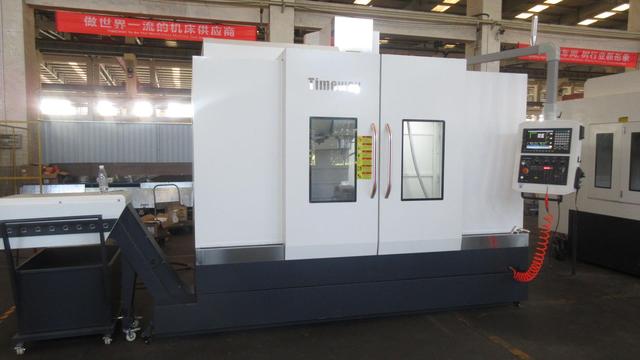
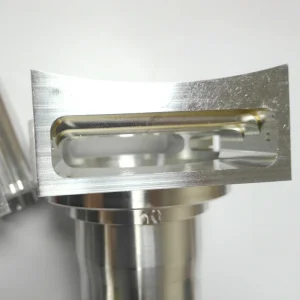
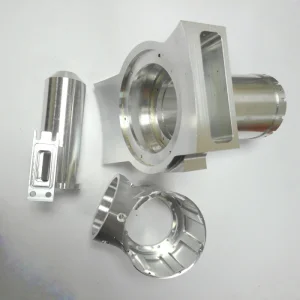
The company’s core capabilities include multi-axis CNC machining, precision turning, milling, drilling, and custom part manufacturing across various materials such as aluminum, stainless steel, carbon steel, brass, and engineering plastics. Driven by innovation and continuous improvement, Hangzhou Robotic CNC Co., Ltd. focuses on providing cost-effective, high-quality precision machining solutions, building long-term partnerships with clients worldwide by delivering dependable products, responsive service, and professional technical support.
Understanding local operating conditions prevents mechanical failure and minimizes material fatigue. In Montenegro, three specific sectors drive high-level CNC engraving demand:
Saltwater exposure requires corrosion-resistant components. CNC-engraved control consoles, structural fittings, and decorative panels must utilize AA5083 or AA6061-T6 aluminum. Post-machining, parts undergo sandblasting to achieve a uniform matte finish, followed by Type III Hardcoat Anodizing (MIL-A-8625). Laser engraving is deployed through the anodic layer to expose the bare aluminum underneath, producing contrasting high-visibility lettering that does not peel or degrade under intense UV radiation and marine salinity.
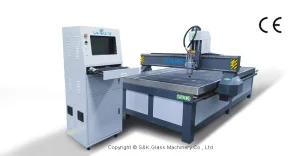
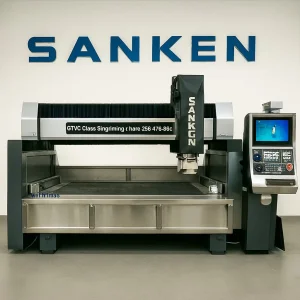
Luxury resort development demands complex architectural finishes. Sanken glass engraving technology offers architectural teams the capacity to rout, polish, and engrave structural glass, tempering panels, and mirrored installations. Mirror and glass CNC engraving centers deliver stress-relieved patterns in thick architectural panels, preventing local fracture zones during subsequent thermal tempering.
The modernization of the Montenegrin national grid requires custom copper and aluminum terminal blocks, transformers, and engraved control plates. Laser-marked terminal blocks with deep structural engraving endure temperature spikes and mechanical wear over decades in mountain substations.
| Material Class | Tensile Strength (MPa) | Corrosion Resistance | Typical Montenegro Application | Post-Machining Finish |
|---|---|---|---|---|
| Aluminium 6061-T6 | 310 | High (Medium-Marine) | Automotive parts, Yacht brackets | Sandblast + Color Anodizing |
| Aluminium 5083 | 290 | Excellent (Marine Grade) | Hull components, saltwater valves | Type III Hardcoat Anodizing |
| Copper C101 | 220 | Moderate (Atmospheric) | Power grid connectors, terminals | Acid Pickle / Tin Plating |
| Tempered Glass | Varies | Outstanding | Coastal hotel facades, Balustrades | CNC Polished / V-groove Engraved |
Explore our full line of industrial milling, glass engraving, and precision tooling customized for Mediterranean infrastructure and logistics.
Manufacturing automation is transitioning toward intelligent closed-loop environments. Key trends driving this shift include:
Optimizing procurement processes requires local buyers to evaluate total cost of ownership (TCO) rather than raw ex-works unit costs. When negotiating with international manufacturing partners, Montenegrin procurement managers should prioritize the following factors:
Maritime transport to the Port of Bar remains the most economical route for high-volume contract orders. For express prototyping, air-freight via Podgorica Airport (TGD) or Tivat Airport (TIV) reduces transit times to 5-7 business days. Ensuring the factory issues an precise Packing List, Commercial Invoice, and Certificate of Origin facilitates smooth customs processing through Montenegrin borders, minimizing clearance delays.
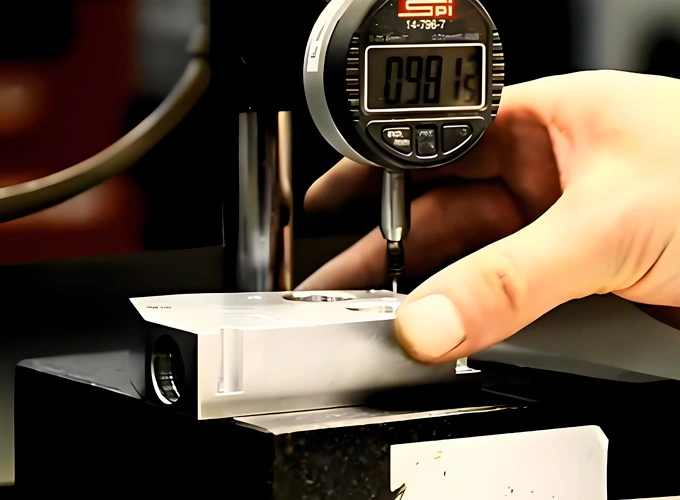
Enforce the submission of Coordinate Measuring Machine (CMM) dimensional inspection reports, material mill sheets (confirming chemical compositions of aluminum alloys), and coating thickness validation charts. Standardizing these expectations ensures that components arriving at your assembly plant in Nikšić or Kotor conform strictly to your target CAD parameters.
Crucial procurement, engineering, and shipping insights for Montenegro industrial buyers.
For ocean freight, the transit time from Eastern Chinese ports to the Port of Bar typically ranges from 28 to 35 days. For high-priority prototypes, air freight to Podgorica (TGD) or Tivat (TIV) reduces transit times to 5-8 business days.
We utilize high-quality marine-grade alloys such as Aluminum 5083 or 6061-T6. Post-machining, parts undergo Type III Hardcoat Anodizing (MIL-A-8625), producing a dense aluminum oxide layer (exceeding 50 microns in thickness) that isolates the underlying metal from coastal humidity, salt spray, and galvanic corroding elements.
Utilizing Sanken CNC glass engraving centers, we maintain positioning and dimensional engraving accuracy within +/-0.1mm on architectural glass panels. Advanced mechanical polishing spindles ensure micro-groove patterns remain smooth and free of stress concentrators, safeguarding panels for thermal tempering.
Yes, our multi-axis CNC machines and custom laser marking units allow deep engraving on complex geometric structures. We can engrave parts on multi-faceted surfaces without manual repositioning, ensuring precise dimensional alignment.
Absolutely. Hangzhou Robotic CNC Co., Ltd. operates under a registered ISO 9001:2015 Quality Management System. Raw materials are fully batch-traced, and final components are shipped with certificates of compliance (CoC) verifying chemical and dimensional alignment with ISO/DIN standards.
We are structured to handle both high-mix low-volume prototyping and mass production runs. Our engineering team converts your 3D CAD models (STEP, IGES) into toolpaths, allowing fast prototyping of 1-10 parts, followed by automated pallet system configurations for mass manufacturing.
We offer comprehensive post-processing, including light and heavy sandblasting, bead blasting, chemical etching, mechanical polishing, color anodizing, hard anodizing, electroplating, and direct laser engraving marking.
Connect with our engineering specialists in Hangzhou. Send your CAD models today for a free design-for-manufacturability report and quotation.
Send Inquiry Now Robotic CNC